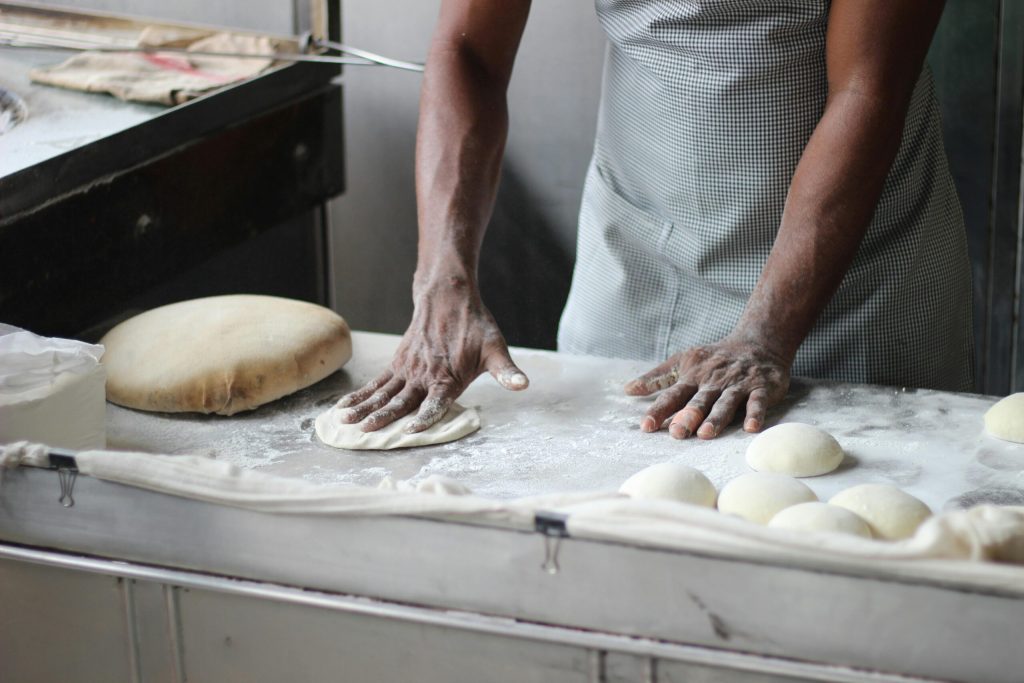
Bread is one of the most familiar foods in the world, yet not all bread is created the same. In professional kitchens and local bakeries, artisan bread plays a very different role than mass-produced loaves found on supermarket shelves. Understanding these differences can help chefs, restaurant owners, and food lovers make better choices for their menus and tables.
At Il Forno Bakery, bread is treated as a craft. Each type of bread is made with intention, using traditional techniques that focus on flavor, texture, and consistency. Here is a closer look at some of the most common types of artisan bread and what makes each one unique.
What Makes Bread “Artisan”?
Artisan bread is typically made in small batches using time-tested methods. Instead of relying on shortcuts, the process allows dough to ferment slowly, which develops deeper flavor and a better structure. Ingredients are kept simple, often just flour, water, yeast, and salt, letting technique do most of the work.
The result is bread with character. You can taste the difference in the crust, the crumb, and the way the bread complements food rather than overpowering it
Ciabatta
Ciabatta is known for its airy interior and slightly crisp crust. Originally from Italy, this bread has a light, open structure that makes it ideal for sandwiches, paninis, and grilled preparations.
Because ciabatta absorbs flavors well without falling apart, it works especially well for sandwiches with olive oil, fresh vegetables, or roasted meats. It is also commonly used in restaurants for bread service or sliced and toasted for appetizers.
Focaccia
Focaccia is a flat, oven-baked bread that is soft inside and lightly crisp on the outside. It is often finished with olive oil and herbs, giving it a rich aroma and flavor.
This bread is versatile. It can be served on its own, used for sandwiches, or cut into smaller portions for catering and events. Focaccia pairs well with Mediterranean dishes and is a popular choice for restaurants looking for something flavorful but approachable.
Baguettes
A classic baguette is recognizable by its long shape and crisp crust. Inside, it has a tender crumb that balances crunch and softness.
Baguettes are commonly used for sandwiches, crostini, and table service. Their structure makes them easy to slice and portion, which is why they remain a staple in both casual and fine dining kitchens.
Rustic Italian Loaves
Rustic loaves are often round or oval in shape, with a thicker crust and a hearty interior. These breads are designed to be filling and satisfying, making them a strong choice for soups, stews, and shared table service.
The thicker crust helps the bread hold up well when dipped or paired with sauces. This type of bread is often chosen by restaurants that want something traditional and comforting.
How to Choose the Right Bread
The right bread depends on how it will be used. Lighter breads like ciabatta are ideal for sandwiches, while denser loaves work better alongside hearty dishes. Flavor, texture, and consistency all matter, especially in professional kitchens where presentation and reliability are important.
At Il Forno Bakery, each bread is made with these uses in mind. The goal is to provide bread that supports the menu, not distracts from it.
Bread as a Foundation, Not an Afterthought
In many meals, bread is the first thing served and the last thing remembered. Quality bread sets the tone for the entire dining experience. Whether it is part of a sandwich, a side to a main course, or a simple basket at the table, good bread makes a difference.
Artisan bread brings warmth, tradition, and care into every bite. When made well, it reflects the same attention to detail that chefs put into the rest of their dishes